


Sustaining Our Environment
We are consistently aware of the environmental footprint we leave behind, and we are always looking for new ways to reduce our impact—whether that’s through reducing energy usage, facilitating proper waste disposal, or optimizing land management. Our commitment to the environment is steadfast, and we are proud of the advancements we continue to make across our company, suppliers, and partners to ensure future generations enjoy the beauty of our planet.
Our Climate Impact Working Group (CIWG) Pillars:
- Pillar 1: Reducing our Operational Impact
- Pillar 2: Climate Risk and Opportunities
- Pillar 3: Supporting Client Sustainability Journeys
- Pillar 4: Engaging our Suppliers on Sustainability
This Executive Summary includes highlights of two of the pillars. For a review of all pillars, please download the full 2025 CSR Report.
 CIWG PILLAR 1: Reducing Our Operational Impact
Our commitment to lowering our carbon footprint is informed by our energy management and Greenhouse Gas (GHG) emissions tracking. We successfully established formal tracking of Scope 1 and 2 emissions on a new platform in 2025, which enabled more robust and detailed reporting. This has been critical in understanding our emissions tracking as we evaluate trends and opportunities to lower emissions over time through targeted investments that impact energy usage.
Green Team
In 2025, Fulton launched the Green Team - a new group dedicated to leading the charge on sustainability. From reducing environmental impact to inspiring positive change across our communities, the Green Team is turning our stewardship goals into action.
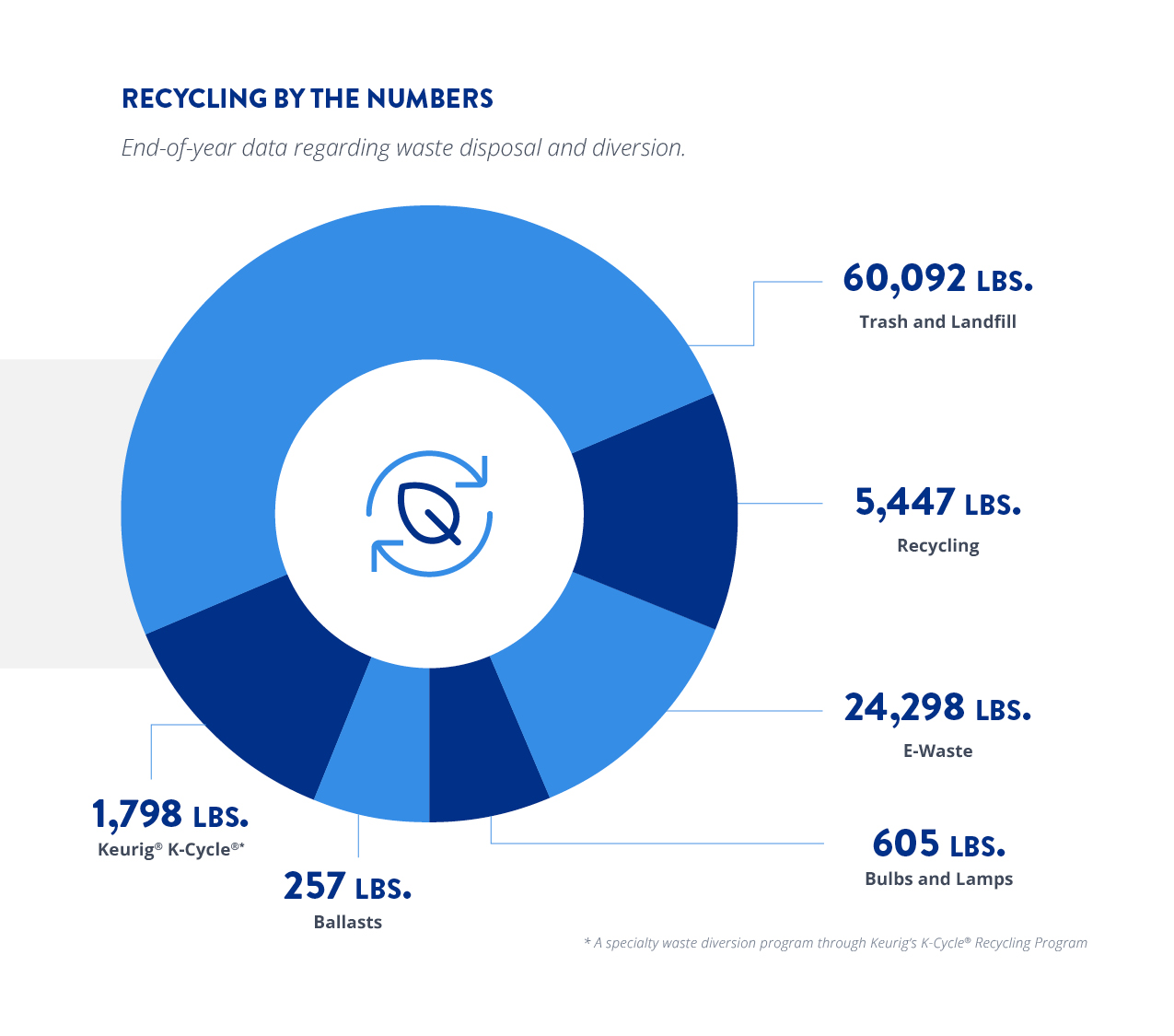
Recycling Diversion Rate and Waste Stream Diversion Update
Fulton continues to evaluate opportunities to divert waste from landfills. As we mature our efforts and gain the ability to track more waste, we have identified additional waste streams that we will measure and report on because of working with different vendors to gather more information about our waste activities.
Fulton continues to advance current efforts with additional changes such as implementing universal waste collection (including bulbs and batteries), key fob recycling, and electronic waste collection.
 CIWG Pillar 3: Supporting Client Sustainability Journeys
Digital Migration and Paper Savings (Consumer)
Fulton continues to educate customers about their ability to bank digitally, focusing on the ease and convenience of mobile remote deposit capture. From ease of banking on demand to the environmental impact of saving on paper statements, digital banking provides customers with increased flexibility. In 2025, we provided 4.2 million digital statements – saving approximately 8.5 million sheets of paper, which translates into preserving hundreds of trees and reducing waste in landfills.
Commercial Onboarding
By streamlining Commercial Onboarding, we’ve not only improved internal processes - we’ve created a more sustainable process that reduces paper, eliminates the need for in-person visits, and cuts down on printed documents sent through the postal system.
E-Sign Adoption
In 2025, we expanded electronic signature and remote service capabilities, delivering faster, more secure, and more convenient banking experiences. By digitizing previously manual processes, we reduced friction, accelerated turnaround times, and enhanced transparency for our clients. These digital solutions also significantly cut paper usage and waste, helping conserve natural resources and lower our environmental footprint.
Client Story
Lancaster Farmland Trust (LFT)LFT was formed in 1988 to help farmers preserve their farms for future generations. Fulton is proud to be a long-standing supporter of LFT, investing in its mission through volunteer efforts that promote sustainability in our hometown and by providing expert financial guidance.
LFT has been working with farmers for years to help them implement conservation practices on their farms that keep pollutants like nutrient runoff, sediments, and road salts out of our waterways. They now steward more than 618 conservation easements totaling more than 38,310 acres of farmland.
